
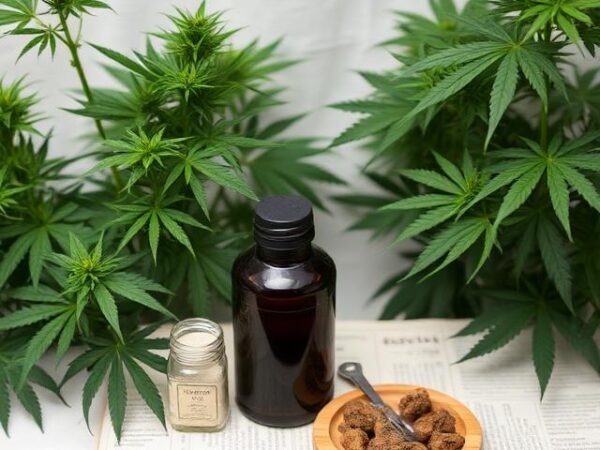
The perception of cannabis has shifted dramatically over the past decade. What was once viewed primarily as a recreational substance is now increasingly integrated into wellness routines and lifestyle choices. Today, cannabis is being explored not just for relaxation, but as a tool for balance, mindfulness, and overall well-being.
In progressive markets like California, this shift is especially visible. Consumers are moving beyond traditional use and embracing cannabis as part of a broader, intentional lifestyle.
Wellness is no longer limited to fitness and nutrition. It has evolved into a holistic approach that includes mental health, stress management, sleep quality, and emotional balance. Cannabis has found its place within this framework.
Many users are incorporating cannabis into daily routines in a mindful and controlled way. Instead of high-intensity experiences, the focus is on subtle, functional use that complements other wellness practices.
This shift reflects a deeper understanding of how cannabis can be used responsibly to support overall quality of life.
One of the defining aspects of the cannabis lifestyle is intentional use. Consumers are no longer using cannabis without purpose. Instead, they are aligning their consumption with specific goals.
Some use it to unwind after a long day, while others incorporate it into creative processes or relaxation routines. The key difference is awareness.
This intentional approach helps users avoid overconsumption and creates a more balanced experience. It also encourages individuals to understand their own preferences, tolerance, and desired outcomes.
Cannabis is increasingly being integrated into everyday activities. For some, it becomes part of a morning routine focused on calmness and focus. For others, it is part of an evening ritual designed for relaxation and better sleep.
It is also being paired with activities such as yoga, meditation, journaling, and creative work. These combinations enhance the experience by promoting mindfulness and presence.
The idea is not to rely on cannabis but to use it as a complement to existing wellness practices.
A major factor driving cannabis wellness is the rise of low-dose products and microdosing.
Microdosing involves consuming very small amounts of cannabis to achieve subtle effects without feeling overwhelmed. This approach allows users to stay functional while experiencing benefits such as improved mood, focus, or relaxation.
This trend aligns closely with wellness culture, where moderation and control are prioritized over intensity.
One of the key reasons people turn to cannabis in a lifestyle context is stress management.
Modern life often brings high levels of stress, and individuals are constantly seeking ways to manage it effectively. Cannabis, when used responsibly, can help create a sense of calm and relaxation.
It can also encourage introspection and emotional awareness, which are important aspects of mental well-being. However, it is important to approach this carefully and understand personal limits.
Sleep is a critical component of wellness, and many individuals struggle with maintaining a healthy sleep routine.
Cannabis is often explored as part of a nighttime routine to promote relaxation and improve sleep quality. When used in appropriate doses, it can help users unwind and prepare for rest.
Recovery is another area where cannabis fits in. Whether it is physical recovery after exercise or mental recovery after a long day, the goal is to support the body and mind in returning to a balanced state.
Cannabis is also becoming part of social experiences in a more refined and intentional way.
Instead of purely recreational use, social consumption is shifting toward curated experiences. This includes pairing cannabis with food, music, or creative activities in a controlled and mindful setting.
These experiences reflect a broader lifestyle trend where quality and intention take priority over excess.
As cannabis becomes part of wellness culture, education becomes essential.
Understanding dosage, product types, and effects helps users make better decisions. It also reduces the risk of negative experiences.
Informed users are more likely to have positive outcomes and integrate cannabis into their lifestyle in a balanced way.
This is why reliable information and clear guidance are becoming increasingly important in the cannabis space.
While the integration of cannabis into wellness is growing, it is not without challenges.
There is still a need for more research and clarity around its effects. Misinformation can lead to unrealistic expectations or improper use.
Additionally, cannabis does not affect everyone in the same way. What works for one person may not work for another, which makes personalization important.
Responsible use and self-awareness remain key factors in making cannabis a positive part of a wellness routine.
The future of cannabis lifestyle and wellness is centered around personalization, innovation, and integration.
Products are becoming more refined, with a focus on specific outcomes such as relaxation, focus, or sleep. Technology and data are also playing a role in helping users better understand their preferences.
In markets like California, these trends are shaping how cannabis is perceived and used, influencing global perspectives.
As the industry continues to evolve, cannabis is likely to become an even more accepted and integrated part of modern lifestyles.
Cannabis lifestyle and wellness represent a shift toward more mindful, intentional, and balanced use. It is no longer about consumption alone but about how cannabis fits into a broader approach to well-being.
By focusing on moderation, education, and personal awareness, users can create a positive and meaningful relationship with cannabis. As acceptance grows and innovation continues, cannabis is set to play an increasingly important role in modern wellness culture.